
 佐藤慧
佐藤慧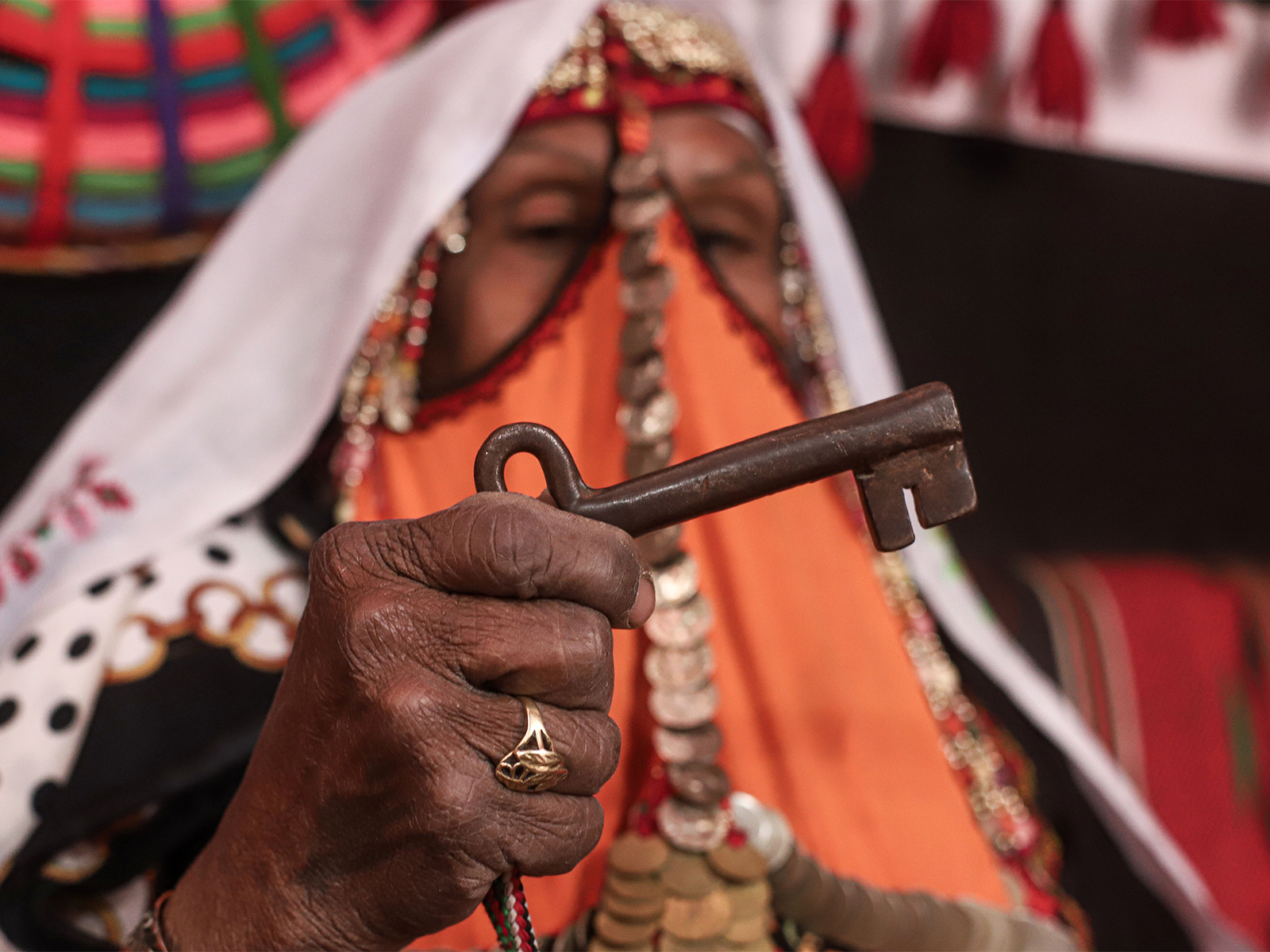
Israel’s occupation and massacres, which violate international law, continue to this day. Even before the establishment of the State of Israel on May 14, 1948, countless Palestinians had been driven from their homes. May 15 is observed annually as “Nakba Day,” a day to remember this tragedy and assert the right of return. This is a contributed article by Mohammed H. Salem, a D4P field reporting partner from the Gaza Strip.
Mohammed H Salem
A photographer from Gaza. He collaborates with various photo agencies, and he is a co-founder of the platform “Untold Palestine”. His work has been featured in a wide range of international and local magazines and media. He also works with Al Jazeera English as a freelance photographer.
The Nakba is not a passing memory in a calendar burdened with dates, nor is it an event recalled once a year only to be returned to the drawers of forgetting. The Nakba is not an old black-and-white photo, nor a story whispered timidly. The Nakba is the theft of an entire life, a theft that continues to take place day after day.
On the fifteenth of May, we do not commemorate history. Rather, we summon an open wound. A wound never given enough time to heal, because the hand that cut it open still presses upon it, widens it, and makes it bleed again every morning.
Not a Memory of the Past, But an Ongoing Pain
The Nakba did not begin in 1948, nor will it end with the passing of years. The Nakba is an ongoing condition, renewed with every demolished home, every grieving mother, every child deprived of their name, their school, and their toys. It is not merely the story of the past, but the title of the present, and can be the shape of the future if the world remains silent.
We are the children of the Nakba, as we are also its witnesses. We carry it in the smallest details of our lives: in our language that sounds like old homes, in our rusty keys passed down like family names, and in our grandmothers’ stories that are still being told, simply because they have not ended yet.
When we speak of the Nakba, we are not speaking only of the loss of land, but of the uprooting of the soul itself. Of villages erased from maps yet still planted in the heart. Of roads we know only through the descriptions of our elders, and olive trees that know our names better than we know ourselves.
What makes the Nakba even more cruel is not only what happened in the past, but what continues to happen in the present. We watch the world bear witness to what is going on yet choose to look away. To have your suffering reduced to a passing headline, your dead presented as just a number on the news or material for political debate, while for you it is your entire life that is collapsing.
In Gaza, in the West Bank, and across distant exiles, the Nakba repeats itself in different forms, but the pain remains the same. Every time a house is bombed, there is a Nakba. Every time a person is displaced, there is a Nakba. Every time we are asked to prove our humanity, there is a Nakba.
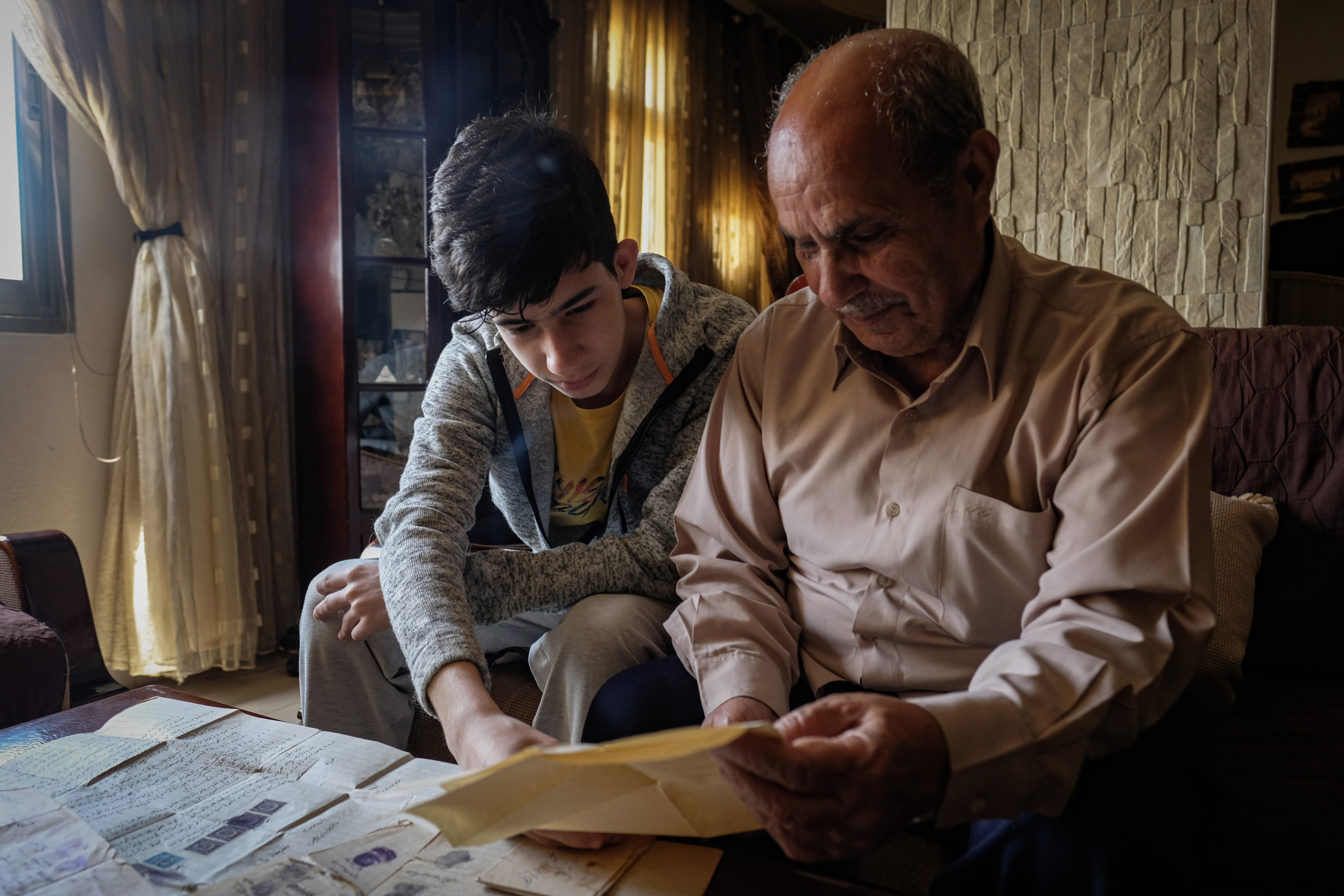
Daiffallah Abu Al-Gussain shows his grandson the deeds to their family’s original home and land in Al-Shalalah village in Beer Al-Sabe, or what is now known as Beer Sheva in the Negev desert of present-day Israel.(Photo by Mohammed H. Salem /2022)
The Resistance of Saying “We Are Here”
And yet, we have not disappeared.
This is the story that is not told often enough: We are still here despite everything. We write, we take photos, we tell stories, and we keep existing. We create meaning from pain, memory from loss, and new life from ashes.
Perhaps that is why they fear our stories. Because stories do not die. Because the photograph taken today may become a piece of evidence tomorrow, it can bear witness, and voice a cry that cannot be silenced.
As a photographer, I do not look for beauty in tragedy, but for truth in its naked face. For that moment that exposes everything: fear, strength, fracture, and resilience. I try to capture what cannot be touched, to convey through a photograph what words cannot express.
And every time I point my camera, I know I am not merely documenting — I am resisting. Because documentation in the face of an ongoing Nakba is a form of survival. It allows us to say: “We were here,” despite every attempt to erase us.
The Nakba is not only what we lost, but also what we struggle to preserve: our language, our memories, stories, and even dreams. Yes, dreams… because despite everything, we still dream.
We dream of returning not only to a place, but to life as it should be. To a home that is not threatened, to a sky that is not bombed, to a future that is not stolen before it even begins.
This dream may seem simple to the world, but for us it is a postponed miracle.
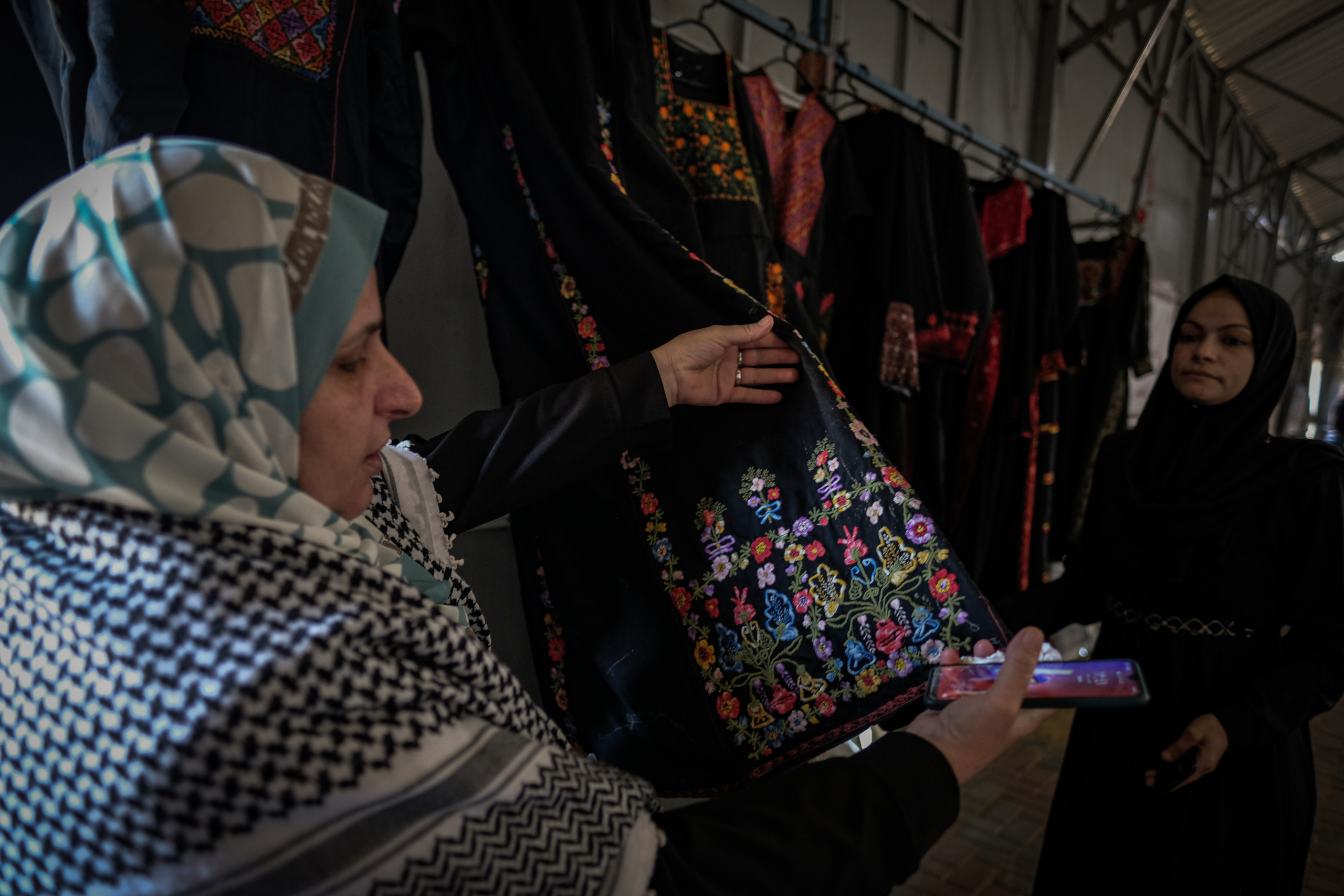
Ayyat Zyadah, 27, (right) holds onto the thobe of her great grandmother as a reminder of the generations that came before her.(Photo by Mohammed H. Salem /2022)
The Boundary Between Merely “Surviving” and Truly “Living”
And on this day, we do not ask for fleeting sympathy, nor words of solidarity uttered then forgotten. We ask for something more honest: that this pain be seen as it truly is, that this truth be acknowledged as it is, and that our people be granted the right to live — not merely survive.
Because the difference between living and surviving… is everything.
Survival means escaping death today, but life means having a tomorrow. And we are tired of temporary survival. We want a full life — without fear, without siege, without constantly waiting for the next catastrophe.
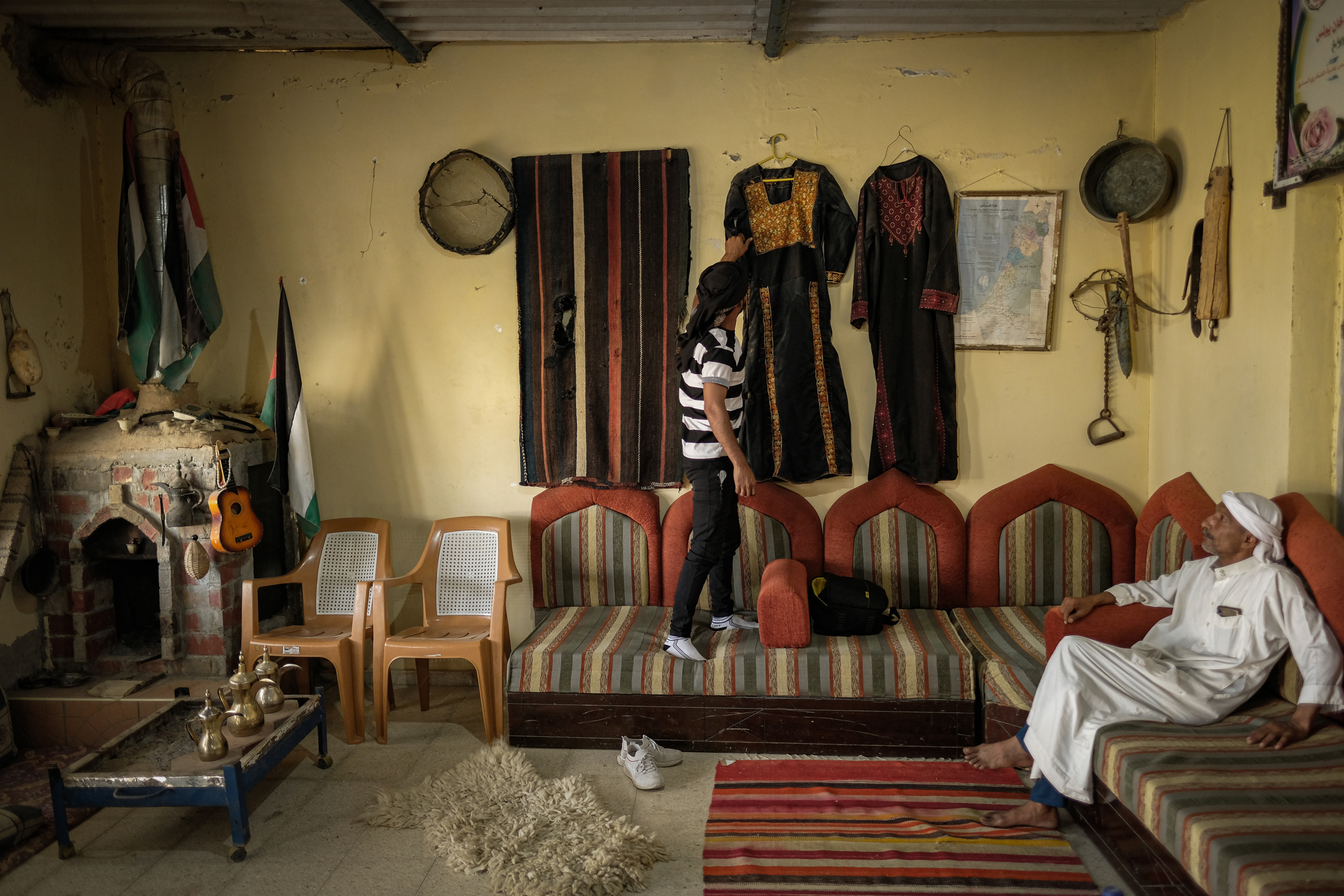
Traditional Palestinian thobe, or dress, from the time of the Nakba, along with a number of antique tools and trinkets adorn the homes of Palestinian refugees in Gaza. There are more than 2 million Palestinians in Gaza, 75% of which are refugees.(Photo by Mohammed H. Salem /2022)
Not a “Complicated Issue” But an Obvious Crime
The Nakba taught us many things, perhaps things we never chose to learn. It taught us that loss can become part of your identity, and that resilience is not a choice but a necessity. It taught us to love life even when it is besieged from every direction.
But it also taught us that the world is not fair, and that truth alone is not always enough.
And despite all of that, we keep going.
We keep going because we do not have the luxury of pausing. Because behind every story we tell, there is another one yet to be told. Because every photo we take is an attempt to save a moment from disappearing.
On the anniversary of the Nakba, we do not stand before the past merely to mourn it. We investigate it to understand the present, and to try to prevent it from being repeated in the future. Because the most dangerous thing about the Nakba is not only that it happened, but that it is still possible.
And perhaps this is the question that must be asked today: how many times must tragedy repeat itself before the world stops calling it “complicated” and begins seeing it for what it truly is — an obvious crime?
We are not seeking grand language or overblown slogans. We are seeking justice in its simplest form: a child’s right to grow up without fear, a mother’s right to sleep without worrying about losing her children, a human’s right to simply be human, without conditions.
Ultimately, the Nakba is not only our story. It is a test for all humanity. It poses the question: can the world act when it sees suffering? Or will it choose to remain a silent witness, writing history while allowing it to continue repeating itself?
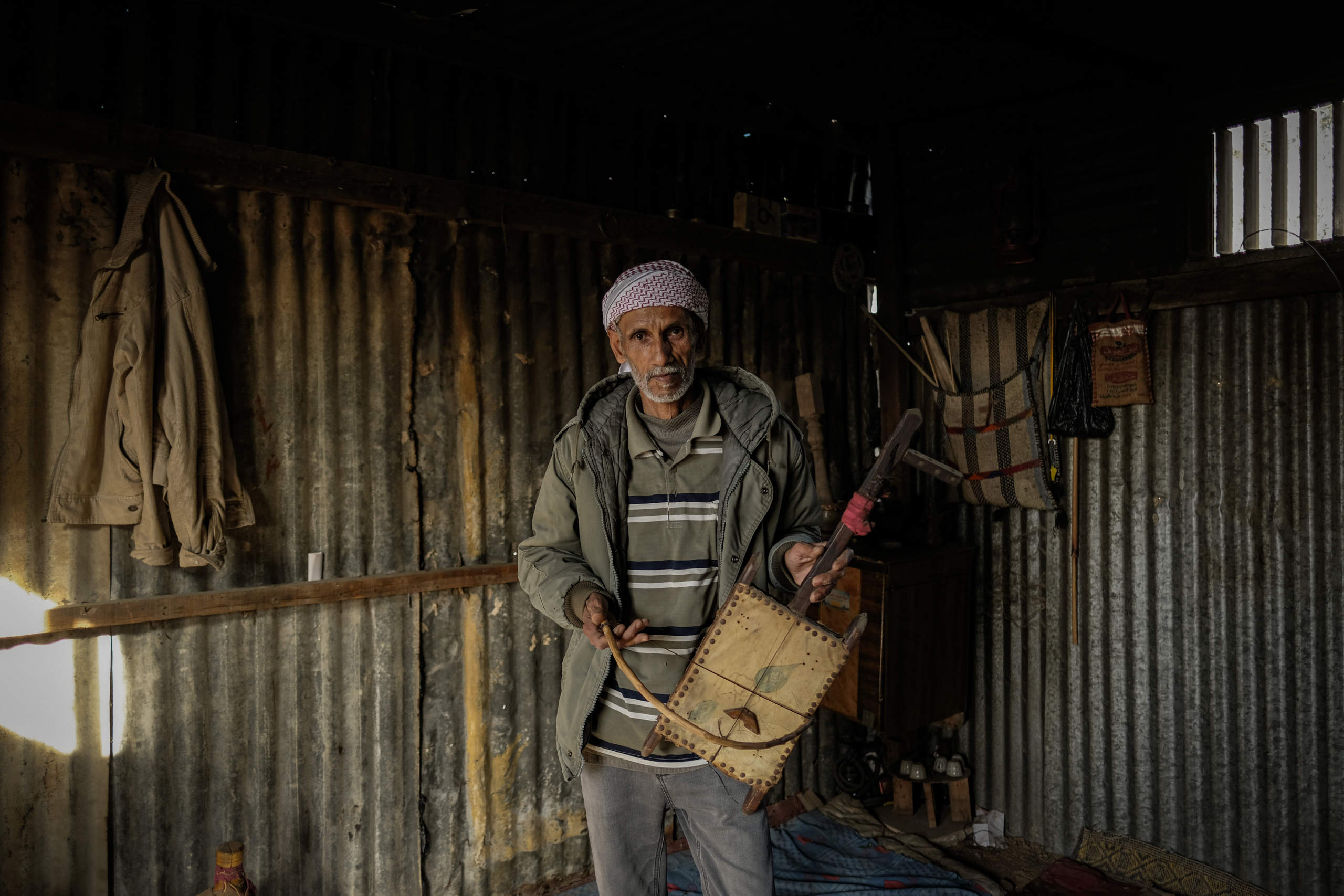
Salah Dibari, 50, holds a rabab, a popular musical instrument used by his Bedouin ancestors from Beer Al-Sabe in the Al-Naqab (now known as the Negev desert). The instrument belonged to his late father, who brought it with him when he ran away from his home in 1948.(Photo by Mohammed H. Salem /2022)
Awareness, Memory, and Resilience
As for us, we will keep telling our stories.
We will keep writing, taking photos, and naming things for what they are. We will continue believing that stories, no matter how much time passes, are eventually heard. And those photographs, no matter how much they try to hide them, are still seen.
The Nakba is not an ending, but an ongoing beginning. A beginning of awareness, remembering, and resistance measured not by weapons, but by the insistence on remaining.
Ultimately, we are not merely a people telling the story of our tragedy, but a people who live it in all our pain and strength. We fight to protect what remains, and we endure when resilience is the only option.
We lived heavy years carrying our homes in our hearts and planting hope in the harshest places. Ours is not a story of weakness, but a story of steadfastness.
And despite everything that has happened and continues to happen, we are still here — resisting, dreaming, and moving forward, as though life itself were a promise that cannot be abandoned.
And we remain.
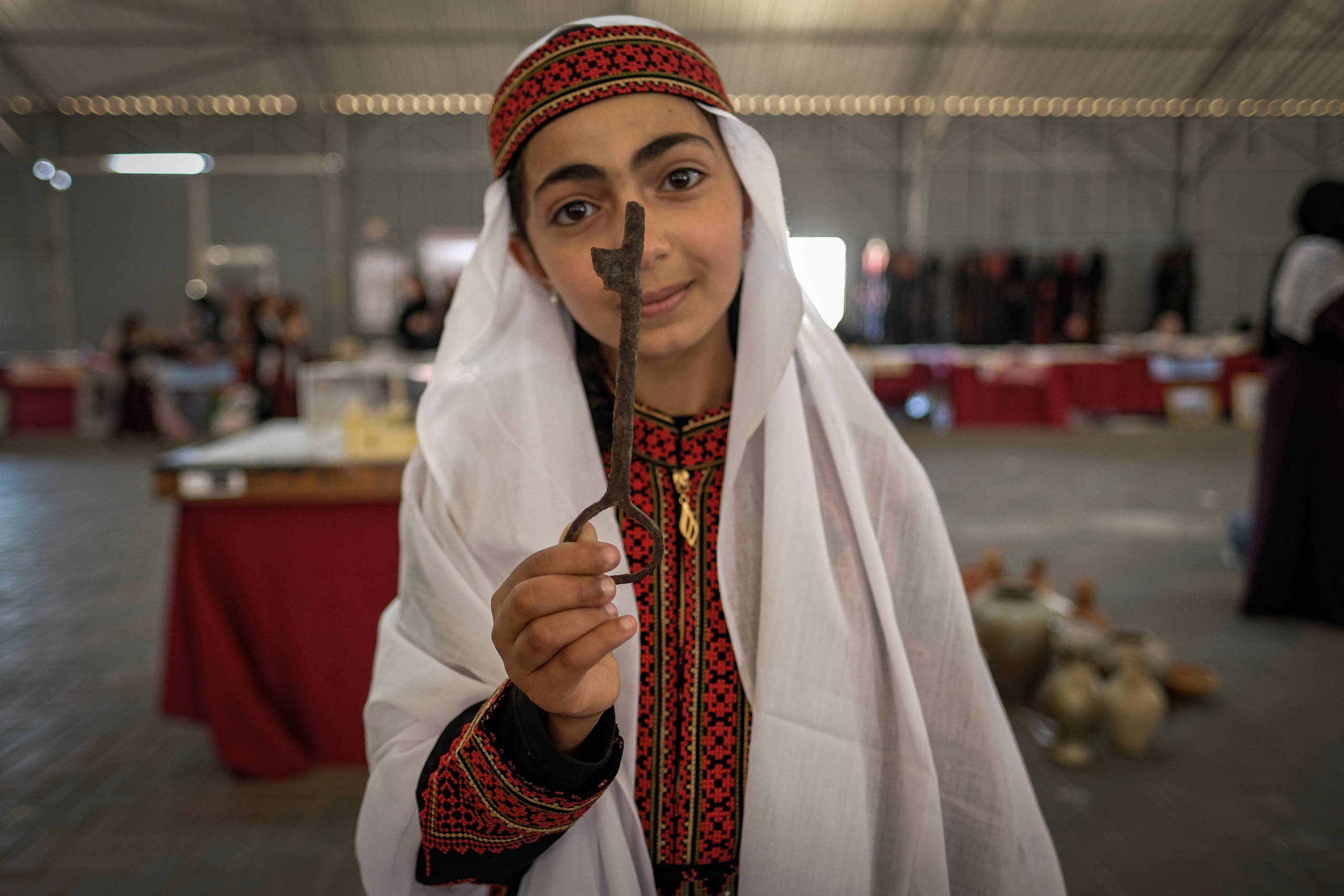
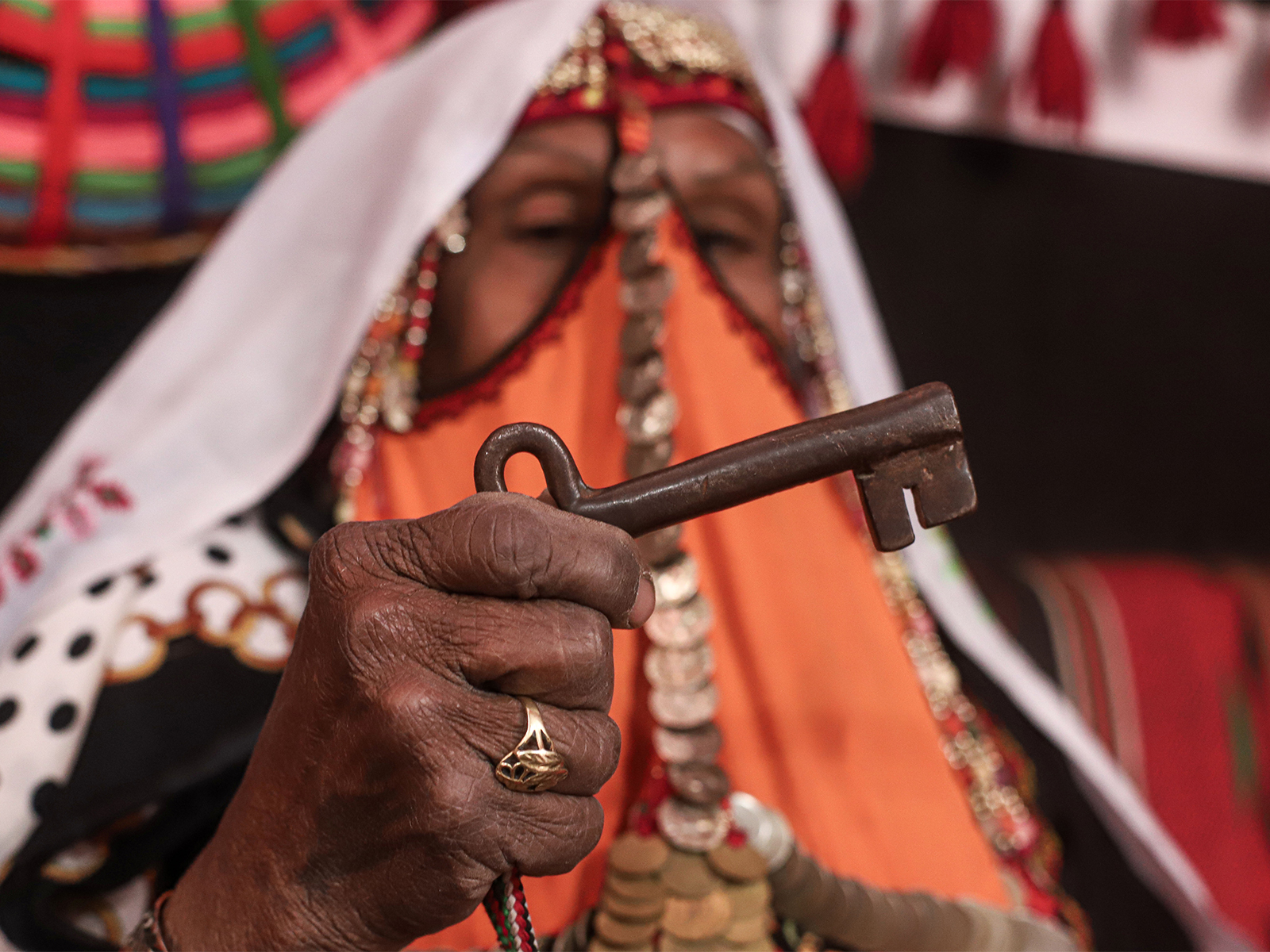
A Palestinian girl in Gaza holds an old key to a home that Palestinian refugees were expelled from during the Nakba in 1948.(Photo by Mohammed H. Salem /2022)
(Text: Mohammed H. Salem/ Edit: Kei Sato)
あわせて読みたい・聴きたい
本記事の取材・執筆や、本サイトに掲載している国内外の取材、記事や動画の発信などの活動は、みなさまからのご寄付に支えられています。
これからも、世界の「無関心」を「関心」に変えるために、Dialogue for Peopleの活動をご支援ください。
寄付で支えるメールマガジンに登録しませんか?
新着コンテンツやイベント情報、メルマガ限定の取材ルポなどをお届けしています。
 安田菜津紀
安田菜津紀 D4P取材班